
Overview
If you design interfaces for a living in 2026, the question is no longer whether to use AI, it's which tools for which job. There are dozens, most overlap, and the marketing makes them all sound identical. I've spent the last year building with these tools daily and making videos about them for 30,000+ designers, so this guide organizes the ones worth your time by the actual job they do: generating UI, referencing real designs, turning designs into code, building full products, and running the workflow around all of it.
Each section below is a short, honest summary with a link to the full walkthrough. Start with the category that matches what you're stuck on.
Which AI model is best for generating UI?
This is the foundation: the large models you prompt to produce actual interface designs and front-end code. The gap between them is mostly about taste and attention to detail, not raw capability.
Claude Fable 5 is the one I reach for most when I want genuinely beautiful, finished-looking UI on the first pass.
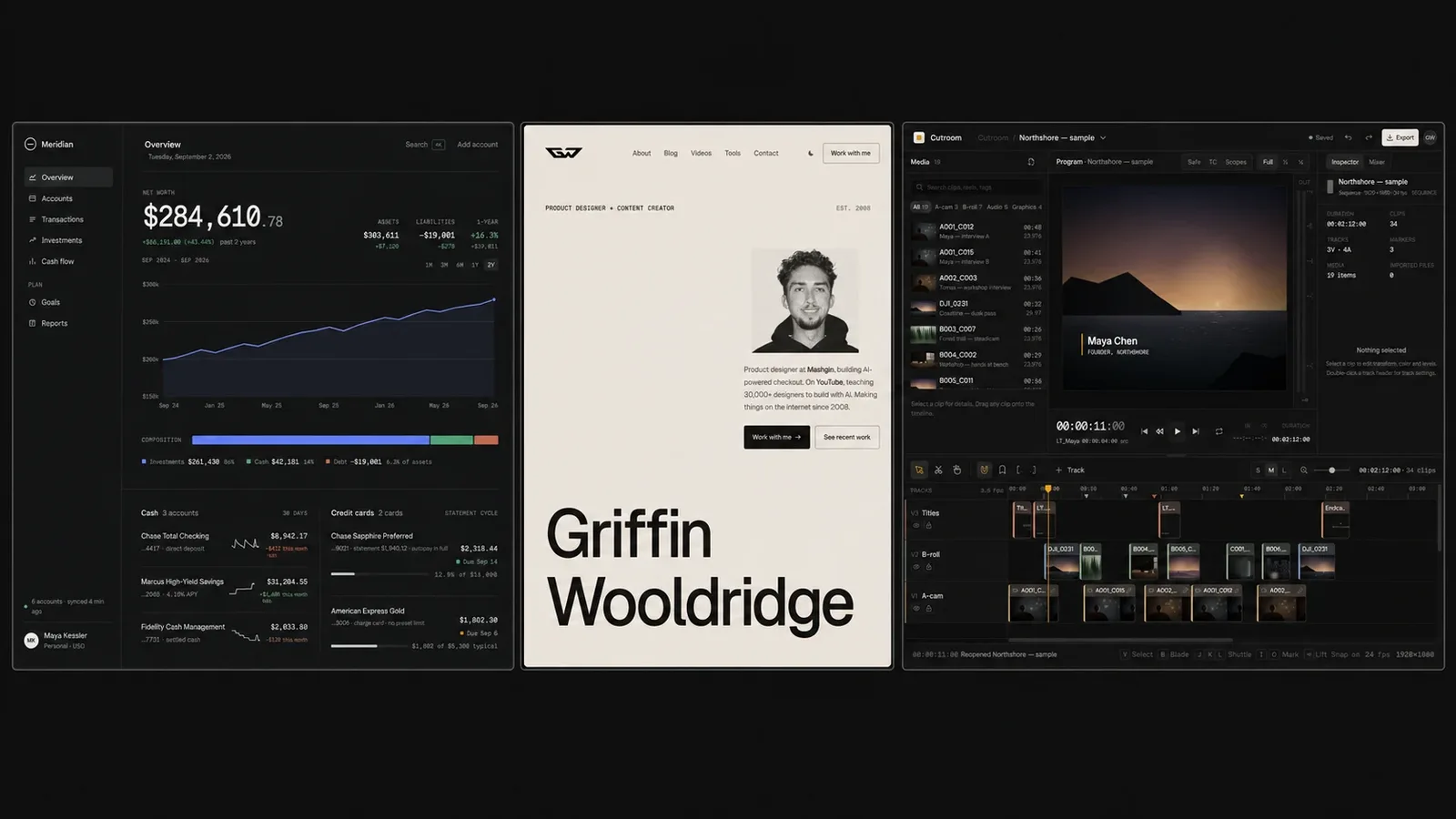
September 2026 update: both labs shipped new flagships in the same week. I tested Claude Fable 5.1 on three UI briefs, a finance dashboard, a reference-led site redesign and a video editor, and its first-pass design judgment is the best I have seen: I Tested Claude Fable 5.1 as a UI Designer
OpenAI's GPT-6 Astra is the one to reach for on image-heavy marketing pages, because Codex can call Images 2.0 and generate the photography as part of the build. Here is the Roam landing page test: I Tested GPT-6 Astra for Web Design (with Images 2.0)
My model lineup as of September 2026: Claude Fable 5.1 for one-shot UI where the first pass has to look shipped, Opus 5 (shipped July 24 at the same $5/$25 per million tokens as Opus 4.8) for daily building, and Sonnet 5 ($2/$10) when cost matters more than polish. Fable's $10/$50 list price is 2x Opus 5 and 5x Sonnet 5, so it earns its place on the screens that matter, not on every iteration.
Whichever model you pick, the prompt is the bigger lever. My model-agnostic prompting rules are here: How to Prompt AI for Better UI Design
How do I stop AI-generated UI from looking generic? Real references
The single biggest reason AI-generated UI looks generic is that you asked the model to invent a screen from vague taste words. The fix is reference-first design: let the agent look at how real shipped products solve the problem before it designs anything.
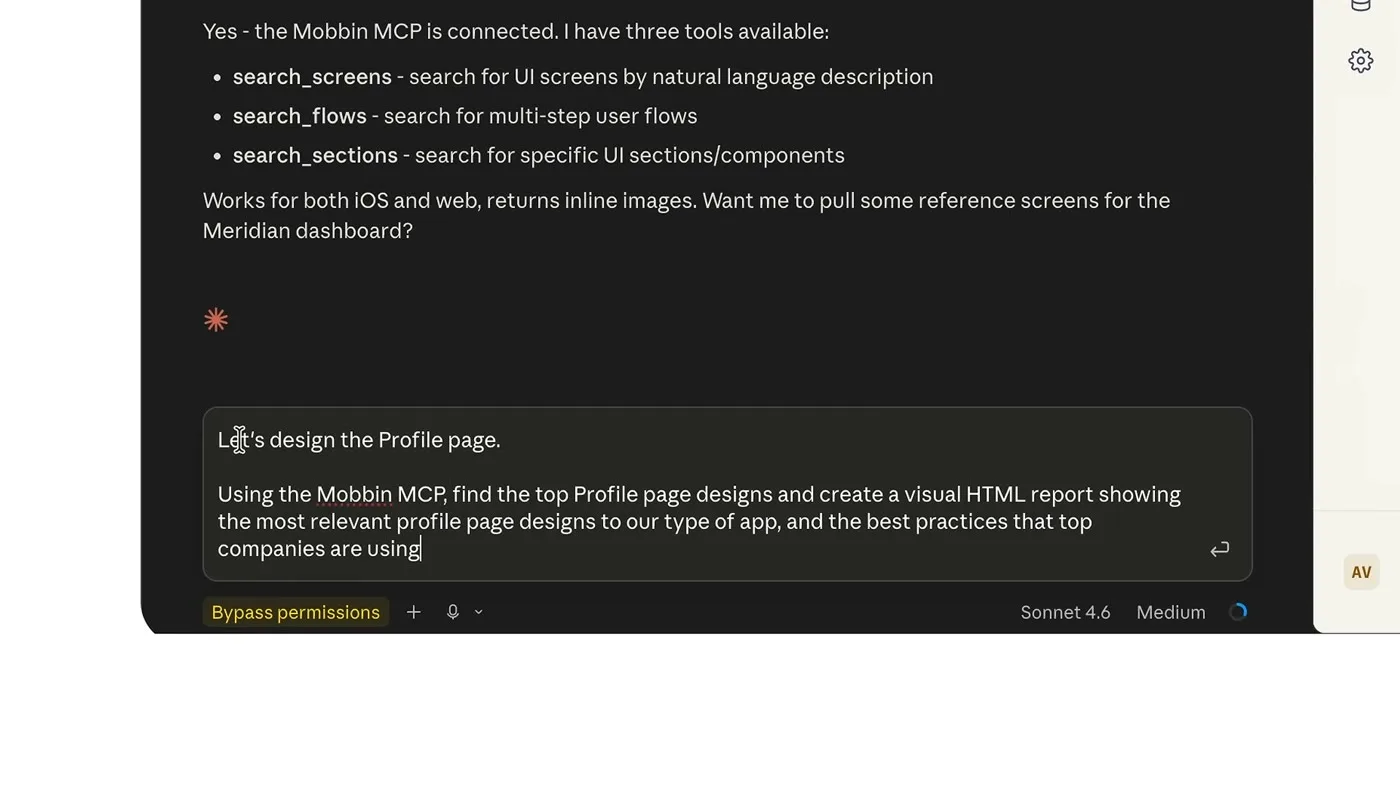
The Mobbin MCP plugs a library of 600,000+ real app screens directly into Claude Code, so it can research actual products, then design from evidence. This is the closest thing to a cheat code for quality, and I walked through setup and a real workflow here: Mobbin MCP: 600,000+ Real References Inside Claude Code
And for the full shortlist of MCP servers worth connecting as a designer, including Figma, Miro, Google Stitch and Paper: The Best MCP Servers for Designers (2026)
Codex or Cursor: which alternative to Claude Code should a designer learn?
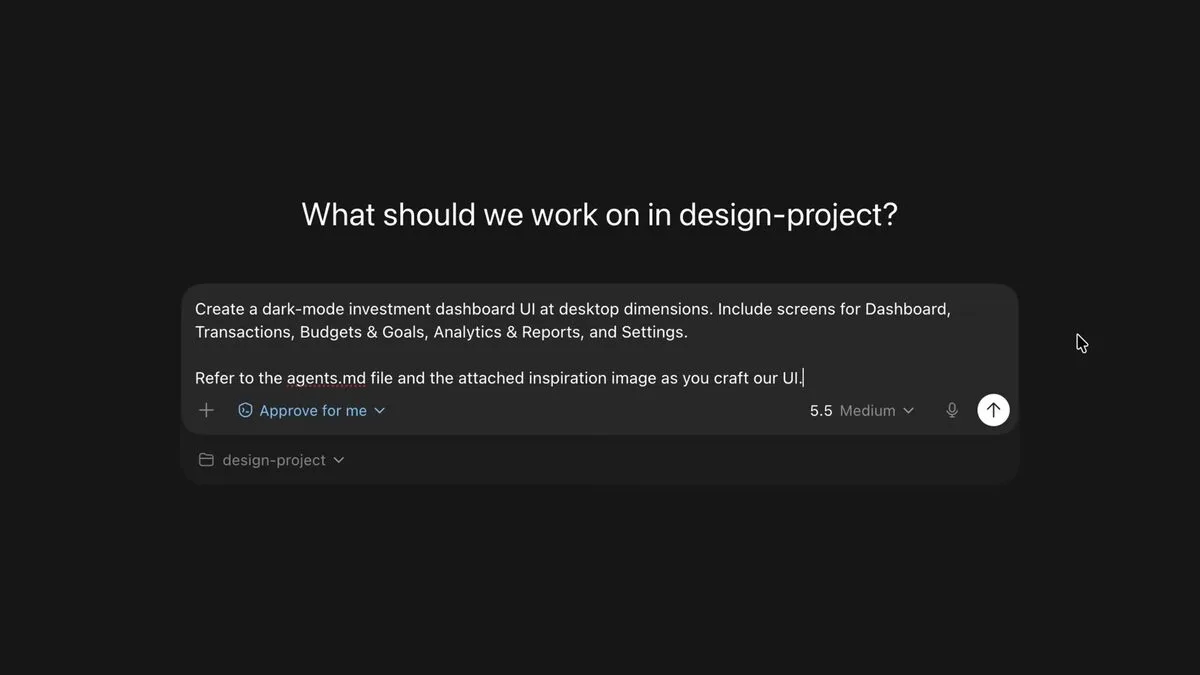
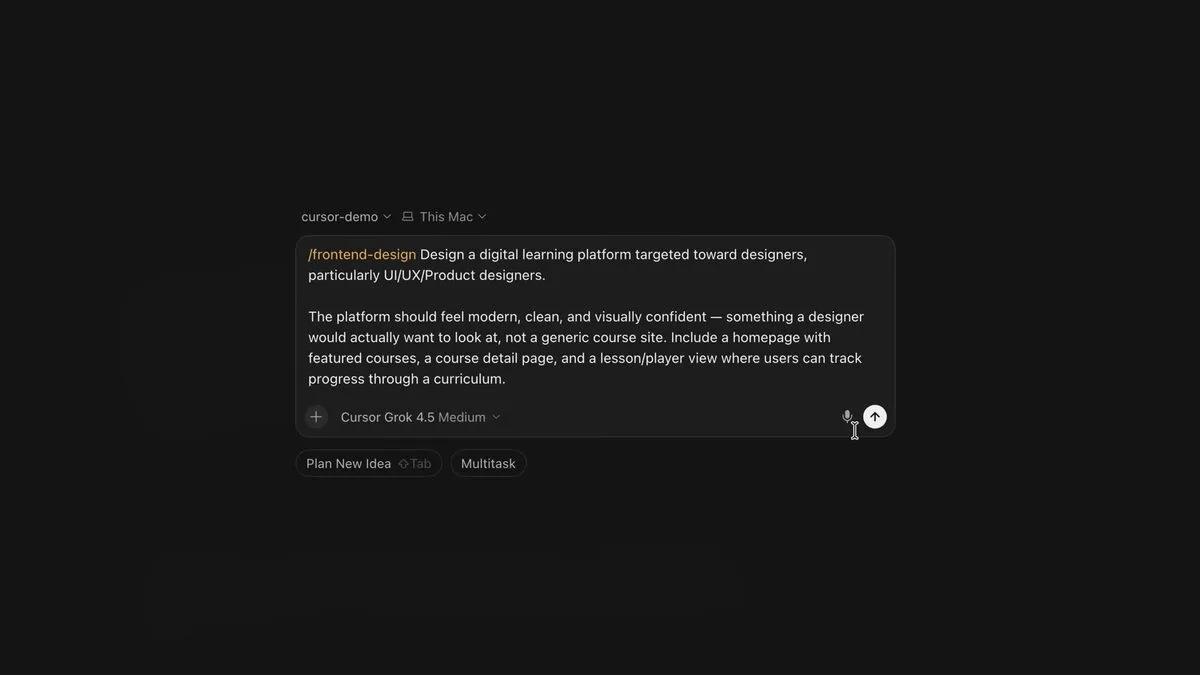
Claude Code isn't the only agent that turns a designer's words into a real, working interface. Two strong alternatives are worth knowing. OpenAI's Codex is an agentic coding tool that's especially good at larger, logic-heavy projects. Cursor is an AI-first editor that keeps you in a visual workspace with more hands-on control. Both do the same core job as Claude Code, building software from natural language, just with a different feel.
For most designers the move is to learn Claude Code plus one of these, then pick per task.
Whichever agent you choose, two setup steps do more for output quality than switching tools. Put your design system in an AGENTS.md file so the agent applies it every time, and when you start from Figma, give the agent the real file context instead of a screenshot.
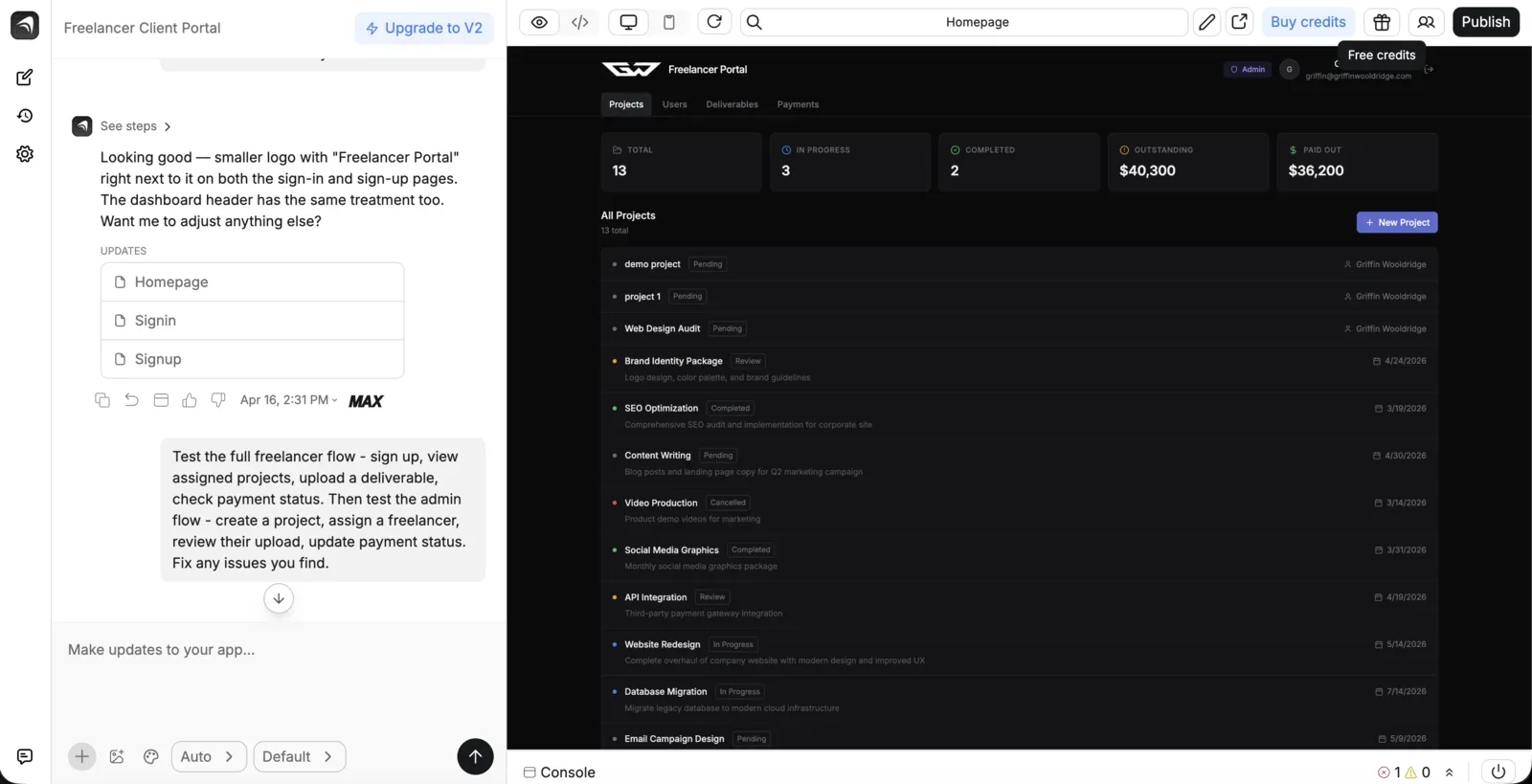
Which AI app builder ships a real product, not a mockup?
Design tools stop at the mockup. App builders keep going and give you a working product with a real database, auth, and payments. I tested one called Anything by building an actual full-stack client portal, and reviewed honestly where it delivered and where it fell short: Anything AI App Builder Review (2026): Pricing, Limits & What I Built
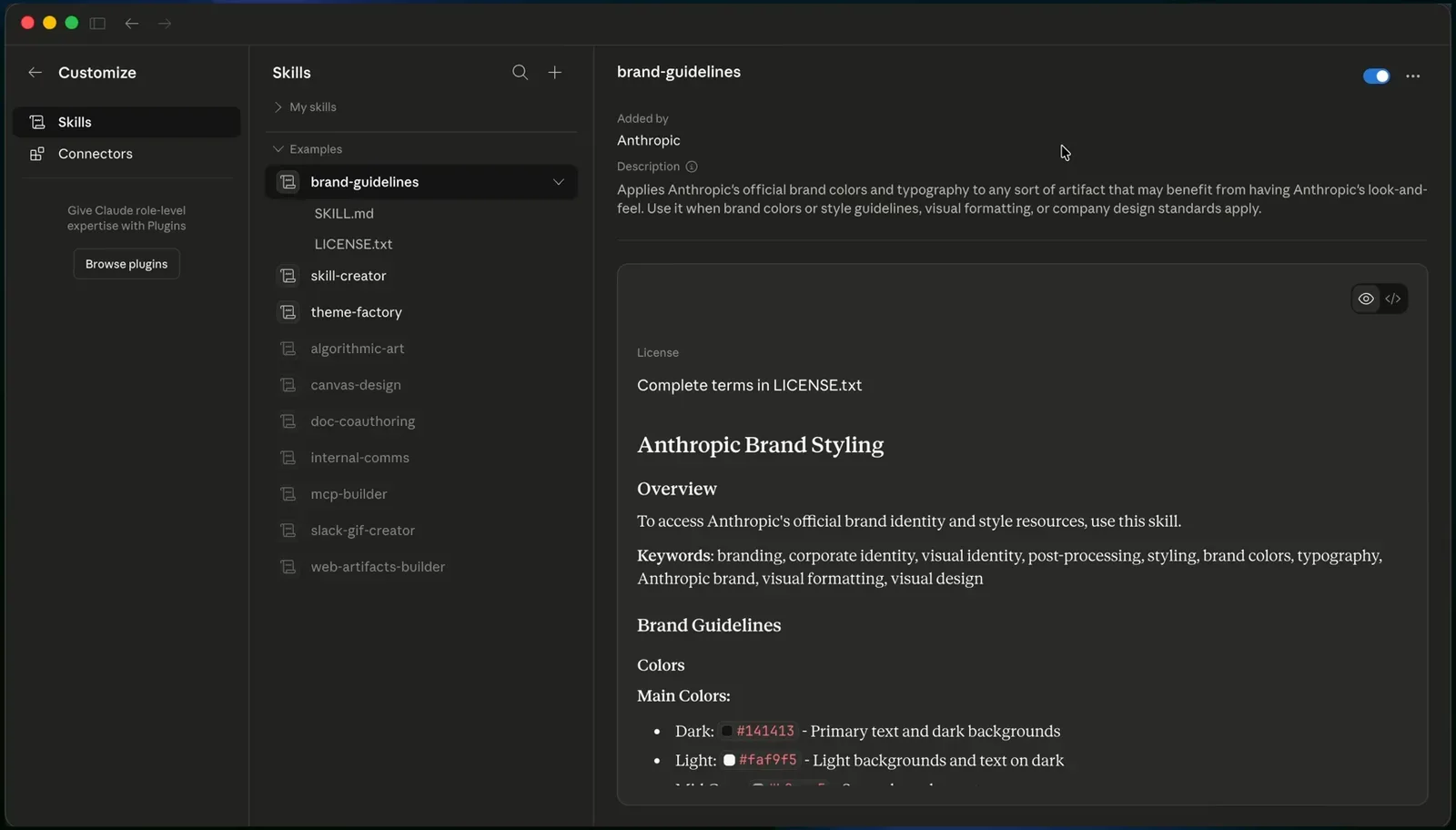
How do I get more out of Claude? Skills
Most designers prompt Claude the same way they'd prompt any chatbot and leave a lot of quality on the table. Skills are a built-in feature that changes the ceiling of what Claude produces for design work, and most people don't know they exist.
Which Skills matter for designers, and what each is good for: Claude Skills for Designers
What tools run the workflow around the building? Hosting, notes and boards
The building got easy; the stuff around it is where afternoons still disappear. Free hosting built for agent output, notes that write themselves after a review, and a board your team is already in will each save you more time than another model swap.
How do I choose the right AI design tool?
A quick way to pick, based on what you're trying to do. If you want the best-looking UI from a prompt, start with Claude Fable 5. If your output keeps coming out generic, add the Mobbin MCP so the agent references real screens first. If you want more control and visibility while building, use Cursor or Codex alongside Claude Code. If you need a working product, not a mockup, reach for an app builder like Anything. And if you're already prompting Claude, turn on Skills before anything else, since it's the cheapest quality upgrade available.
None of these replace design judgment. They compress the mechanical parts so you spend your time on the decisions that matter.
Worth knowing beyond the main list: Brilliant is a free, AI-native Figma alternative, UX Pilot gets you usable UI quickly, and Framer 3.0's Agents will redesign a real site on its own canvas if you already ship in a builder.
FAQ
For generating polished UI from a prompt, Claude Fable 5.1 is my default. For making that output non-generic, pair it with the Mobbin MCP so the model designs from real references instead of taste words.
No. These tools compress the mechanical work, mockups, boilerplate, first drafts, but design judgment, research, and knowing what to build are still yours. The designers who win are the ones who use AI to move faster on the parts that don't need judgment.
Increasingly less. Tools like Cursor and app builders like Anything handle the implementation. Knowing the basics still helps you steer them, but you can ship real work without writing much yourself.
Pick one job you do often and one tool from this guide for it. Learning one tool deeply beats sampling ten. Most people should start with Claude Fable 5.1 plus the Mobbin MCP for reference-grounded UI.
For product UI and dashboards I still reach for Fable 5.1 in Claude Code. For image-heavy landing pages, GPT-6 Astra in Codex wins because it can generate custom imagery with Images 2.0 as part of the build. I tested both in September 2026: I Tested Claude Fable 5.1 as a UI Designer and I Tested GPT-6 Astra for Web Design (with Images 2.0)